
Europe
CBD Oil in the UK & Northern Ireland: The 2026 Rules
Is CBD oil legal in the UK and Northern Ireland in 2026? The 1mg THC rule, the FSA novel food list, the 10mg a day advice, the first authorisations, and FAQs.
On this page
- The short answer
- The rules in the UK
- How the UK got here
- What 10mg a day means in practice
- Northern Ireland
- Medical cannabis in the UK
- What is CBD?
- CBD, THC and hemp seed oil: what is the difference?
- How to read a CBD lab report
- How to choose a CBD oil
- How to take CBD oil
- Who should be careful with CBD?
- Travelling with CBD: general tips
- Frequently asked questions
- Sources
Last updated: October 2026.
The short answer
CBD is legal in the UK, including Northern Ireland. THC is a controlled drug, so CBD products must meet strict THC rules. CBD foods and oils are novel foods: they can be sold if they are linked to an application on the Food Standards Agency (FSA) public list. The FSA advises healthy adults to take no more than 10mg of CBD a day. In September 2026 the FSA Board backed the first full CBD authorisations, which now go to ministers.
The rules in the UK
- CBD: pure CBD is not a controlled drug.
- THC: a Class B controlled drug. Under the Home Office “exempt product” rules, no single container can hold more than 1mg of a controlled cannabinoid such as THC. The container (for example the whole bottle) counts, not a single dose.
- CBD foods and oils: novel foods. Products linked to an application on the FSA public list can be sold; being on the list is not a safety approval.
- FSA advice: no more than 10mg of CBD a day for healthy adults (confirmed in July 2025), and not for under-18s, anyone pregnant, breastfeeding or trying to conceive, or people taking medication. The FSA also set a THC upper limit of 0.07mg a day.
- First authorisations: on 16 September 2026 the FSA Board backed sending the first three CBD authorisations, covering about 3,000 products, to ministers in England and Wales. No date has been set for a decision.
- Scotland is advised separately by Food Standards Scotland. The FSA advice covers England, Wales and Northern Ireland.
How the UK got here
The UK’s CBD market grew quickly in the late 2010s with very little oversight. In 2019 the EU classified CBD extracts as novel foods, and because the UK was still in the EU at the time, that classification carried over after Brexit. The FSA then gave the industry a deadline to submit applications, and products linked to valid applications were placed on a public list that shops and consumers can check. Since then the FSA has tightened its advice on how much CBD to take and how much THC a product may contain, and in September 2026 it moved the first applications towards full authorisation.
What 10mg a day means in practice
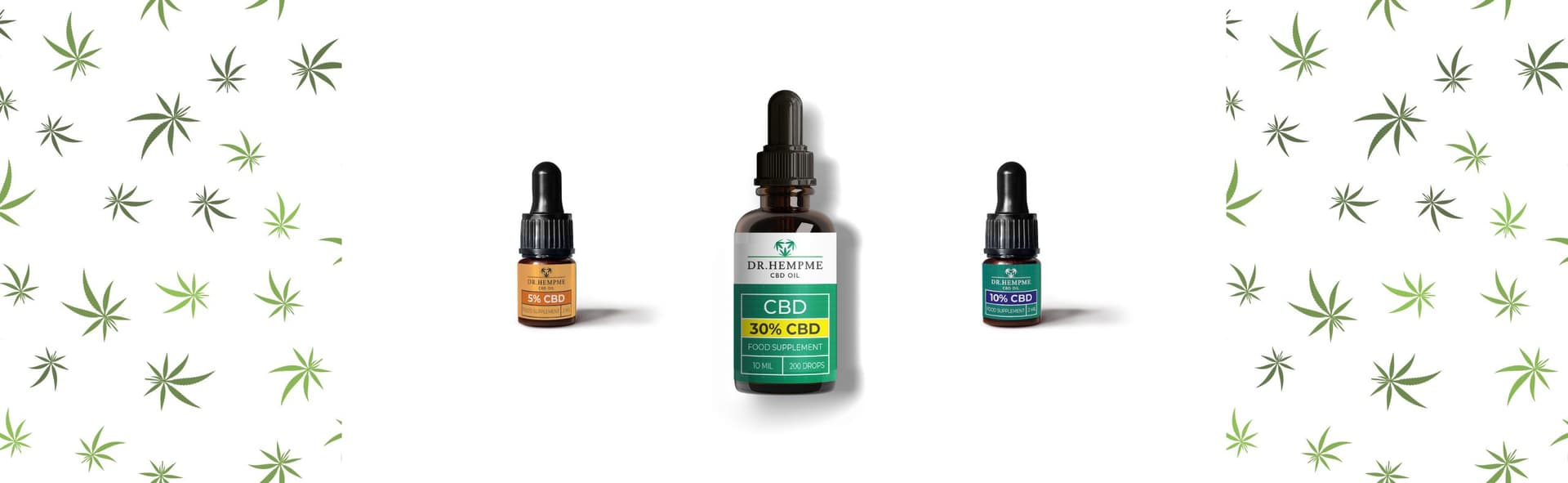
10mg is about 4 drops of a 5% oil or 2 drops of a 10% oil. Our 10% CBD oil gives 5mg per drop, and our CBD gummies contain 15mg each, so a UK customer following the FSA advice would take less than one gummy a day.
Northern Ireland
The same FSA advice and Home Office rules apply in Northern Ireland as in England and Wales. Because Northern Ireland follows many EU single-market rules for goods, cross-border shopping with the Republic is straightforward. We deliver to Belfast, Derry, Newry, Lisburn and everywhere else in Northern Ireland, usually within 1 to 2 working days. Read our guides to CBD gummies in Northern Ireland, CBD oil in Belfast and is CBD oil legal in Northern Ireland?
Medical cannabis in the UK
Since November 2018, specialist doctors in the UK have been able to prescribe cannabis-based medicines. Most prescriptions are written privately, and NHS prescriptions remain rare. Prescription cannabis is entirely separate from the CBD products sold in shops.
What is CBD?
CBD (cannabidiol) is one of more than 100 natural compounds, called cannabinoids, found in the hemp plant. Unlike THC, the compound in cannabis that causes a “high”, CBD is not intoxicating. People in the UK and across Europe use CBD as part of their daily routine, most often as an oil taken under the tongue, as gummies or capsules, or as a cream massaged into the skin.
CBD works with the body’s endocannabinoid system, a network of receptors involved in keeping the body in balance. Research into CBD is growing, but CBD is not a medicine and it should not be used to replace any treatment your doctor has prescribed.
CBD, THC and hemp seed oil: what is the difference?
- CBD comes from the flowers and leaves of the hemp plant. It does not cause a high.
- THC is the intoxicating compound in cannabis. It is tightly controlled in almost every European country, which is why the THC content of a CBD product matters so much.
- Hemp seed oil is pressed from hemp seeds. It is a nutritious food oil, rich in omega fatty acids, but it contains little or no CBD. Some products labelled “hemp oil” are hemp seed oil, so always check the CBD content in mg.
When you read about CBD laws, the THC limit you see (for example 0.2% or 0.3%) usually refers to the hemp plants farmers are allowed to grow. The rules for finished products, such as an oil in a bottle, are often stricter and differ from country to country.
How to read a CBD lab report
A lab report, sometimes called a certificate of analysis, is the single best way to know what is in a CBD product. A good one should:
- Come from an independent laboratory, not the brand itself.
- Match the batch number on your bottle.
- Show the amount of CBD, so you can check it matches the label.
- Show the THC level, so you know the product is within the legal limit.
- Ideally include tests for heavy metals and pesticides.
If a seller cannot show you a lab report for the batch you are buying, choose a different product. Every Dr. Hemp Me product has its lab report on the product page.
How to choose a CBD oil
CBD oils are sold by strength, shown as a percentage or as the total mg of CBD in the bottle. In a standard 10ml bottle with about 200 drops:
| Strength | CBD per 10ml bottle | CBD per drop |
|---|---|---|
| 5% | 500mg | 2.5mg |
| 10% | 1000mg | 5mg |
| 20% | 2000mg | 10mg |
| 30% | 3000mg | 15mg |
Most people start with a lower strength and adjust slowly. Our CBD dosing guide explains how to find the right amount, and you can compare all our strengths on our CBD oil page.
How to take CBD oil
- Shake the bottle, then place the drops under your tongue.
- Hold them there for 60 to 90 seconds before swallowing.
- Take it at the same time each day, and follow the amounts on the label.
- Start low and increase slowly over one to two weeks.
You can also add drops to food or a drink, although CBD swallowed this way takes longer to be noticed. Read how long CBD oil effects last for more on timing.
Who should be careful with CBD?
CBD is well tolerated by most healthy adults, but speak to your doctor or pharmacist before taking it if you:
- Take regular medication, especially blood thinners, epilepsy medicines, antidepressants or sedatives. CBD can affect how some medicines are processed. See does CBD oil affect blood clotting?
- Have a liver condition.
- Are pregnant, trying to get pregnant or breastfeeding.
- Are under 18.
Possible side effects include tiredness, a dry mouth and an upset stomach, usually at higher amounts. Never drive if you feel drowsy, and avoid mixing CBD with alcohol (see CBD and alcohol).
Travelling with CBD: general tips
- Check the current rules in the UK and any country you pass through before you travel.
- Carry products in their original, labelled packaging, with the lab report if you can.
- Only take products that are THC-free or clearly within the legal limit. Never carry anything containing THC across a border.
- Keep oils in your hand luggage within liquid limits, and declare them if asked.
- If in doubt, leave it at home and buy locally where it is legal.
Frequently asked questions
Is CBD oil legal in the UK?
Yes. CBD is not controlled, but THC is, and CBD foods must be linked to an application on the FSA public list.
How much CBD can I take a day in the UK?
The FSA advises healthy adults to take no more than 10mg a day as a precaution.
What is the THC limit for CBD products in the UK?
Under the Home Office exempt product rules, a container can hold no more than 1mg of a controlled cannabinoid such as THC. The FSA has also set a THC upper limit of 0.07mg a day.
Is CBD legal in Northern Ireland?
Yes. The same UK rules apply in Northern Ireland, and we deliver there in 1 to 2 working days.
What is the FSA public list?
A list of CBD food products linked to novel food applications that are being assessed. Shops should only sell CBD foods on the list. Being listed is not a safety approval.
Is CBD cream legal in the UK?
CBD cosmetics are sold under UK cosmetics rules, as long as they meet the THC rules and make no medical claims.
Is medical cannabis legal in the UK?
Yes, specialist doctors have been able to prescribe cannabis-based medicines since November 2018.
Will CBD show up on a drug test?
Drug tests look for THC, not CBD. Products containing traces of THC could cause a positive result, so choose lab-tested products.
This guide is general information, not legal advice. Rules change; check the official guidance before you buy or travel. CBD is not a medicine and we make no health claims.
Sources
Keep reading
More from Europe
 CBD Oil in Portugal: Is It Legal? (2026 Guide)Last updated: October 2026. The short answer Portugal is one of the stricter EU countries for CBD food products. The food authority, DGAV, s…
 CBD Oil in Denmark: Is It Legal? (2026 Guide)Last updated: October 2026. Denmark takes a medicines-led approach to CBD. Oral CBD products are generally either prescription medicines or …
 CBD Oil in Greece: Is It Legal? (2026 Guide)Last updated: October 2026. The short answer CBD is sold in Greece, and the rules tightened in 2026. A health law passed in 2026 raised the …