
cbd oil favicon

Author: Brian Cusack

CBD and Alcohol Cravings: What the Research Says (2026)

Last updated: October 2026. Researchers are increasingly interested in whether CBD might play a role in alcohol use disorder, and headlines about “CBD reducing cravings” have followed. If you or someone close to you is trying to cut down on alcohol, this guide explains what the research actually shows, why CBD is not a treatment, and where to find proven support in Ireland. Support: the HSE Drug and Alcohol Helpline is free on 1800 459 459. If you are in crisis, call 112 or 999. The short answer What is alcohol use disorder? Alcohol use disorder (AUD) describes a pattern of drinking that causes harm or distress, including difficulty controlling how much you drink, cravings, continuing despite problems, and withdrawal symptoms when you stop. It exists on a spectrum, from mild to severe, and it is a health condition, not a moral failing. What does the research on CBD and alcohol show? Interest in CBD comes from laboratory and animal research suggesting it may influence brain systems involved in reward, stress and craving. In people, research is much more limited: So the honest summary is: an interesting area of research, but not evidence that CBD supplements reduce drinking. CBD supplements cannot claim to treat alcohol use disorder or any other condition. Why stopping suddenly can be dangerous If you drink heavily every day, stopping suddenly can cause alcohol withdrawal, with symptoms ranging from shaking, sweating and anxiety to, in severe cases, seizures and confusion. This can be life-threatening. If you drink heavily and want to stop, talk to your GP first. They can arrange a safe, supported detox if needed. Low-risk drinking guidelines in Ireland The HSE’s low-risk weekly guidelines are less than 11 standard drinks for women and less than 17 for men, spread over the week, with at least two or three alcohol-free days, and no more than six standard drinks on any one occasion. A standard drink in Ireland contains about 10g of alcohol: roughly a half-pint of normal beer, a small glass of wine or a pub measure of spirits. Many people are surprised by how quickly the drinks add up when they start counting. Signs it may be time to get help If any of these sound familiar, talk to your GP. They hear about alcohol every day and can help without judgement. Proven ways to cut down or stop Approach What it involves Talk to your GP Assessment, safe withdrawal plans, medicines that can help with cravings Counselling and talking therapies Including cognitive behavioural approaches Support groups Peer support from others with similar experiences Practical changes Alcohol-free days, smaller measures, tracking units, avoiding triggers Online tools The HSE’s askaboutalcohol.ie has a drinks calculator and advice There are licensed medicines that can help some people reduce cravings or stay alcohol-free. Your GP can discuss whether one is suitable. Can you take CBD with alcohol? It is best not to combine them. Both can cause drowsiness, and together the effect may be stronger. There is also limited research on how CBD and alcohol interact in the liver. If you take CBD, avoid drinking around the same time, and never drive after drinking. Why the headlines get ahead of the evidence Research findings are often reported in ways that sound more certain than the science. A small study showing a change in cravings in a lab setting, at a high dose, can become “CBD cuts drinking” in a headline. When you read claims like this, look for how many people were studied, the dose used, how long the study lasted, and whether the results have been repeated. For CBD and alcohol, the answer to most of these questions is: small, high, short and not yet. Where does CBD fit in? Some people who are cutting down on alcohol like to build a new evening routine, replacing a drink with something else: a walk, a warm caffeine-free drink, a hobby. Some include CBD in that routine. If you do, treat it as one small part of a wider plan, not a solution in itself, and tell your GP you are taking it, especially if you are prescribed any medicines to help with drinking. Alcohol-free evening ideas Supporting someone who drinks too much If someone close to you is drinking too much, it can be hard to know what to say. Choose a calm moment when they are sober, talk about specific behaviours and how they affect you, avoid labels, and offer to help them find support. Look after yourself too: support services and groups exist for family members, and your GP can point you in the right direction. Tracking your drinking Support in Ireland Frequently asked questions Can CBD reduce alcohol cravings? Research is at an early stage, with small studies showing mixed results, often at high doses. CBD is not a proven treatment and supplements cannot claim to reduce cravings. Is it safe to take CBD while drinking? It is best not to combine them, as both can cause drowsiness. Can CBD help with alcohol withdrawal? No. Alcohol withdrawal can be dangerous and needs medical support. Talk to your GP. What medicines help with drinking? There are licensed medicines that can help some people reduce cravings or stay alcohol-free. Your GP can advise. How do I know if I drink too much? The HSE’s askaboutalcohol.ie has a drinks calculator and guidance on low-risk limits. Is CBD addictive? The World Health Organization found no evidence of abuse or dependence potential with CBD. Can I take CBD with naltrexone or other alcohol medicines? Ask your GP or pharmacist before combining CBD with any prescribed medicine. Where can I get help in Ireland? Your GP, the HSE Drug and Alcohol Helpline (1800 459 459) and askaboutalcohol.ie. Are alcohol-free drinks a good idea? For many people, yes. They can help keep social routines while cutting down. Can family members get support? Yes. Support is available for families affected by someone else’s drinking; ask your GP or the HSE helpline. Can
Read More »

How to Build a Consistent Wellness Routine with Supplements

Last updated: October 2026. Most supplements are only as useful as the routine you take them in. A bottle that sits in the cupboard for three weeks, then gets used for four days in a row, makes it impossible to know whether it suits you. This guide is about building a simple, sustainable routine: deciding what is worth taking, fitting it into your day so it becomes automatic, tracking how you feel, and staying safe. The short answer Start with the foundations Supplements are, by definition, supplementary. They sit on top of the basics, not in place of them. Before adding anything new, it is worth checking these four foundations: Step 1: Decide what you actually want to support Start by writing down what you are hoping a supplement will fit into. Is it a calmer evening wind-down? A morning routine alongside coffee? Muscle recovery after training? Being specific helps you choose one product rather than five, and it gives you something to check against later. Be wary of products promising to “fix” anything. In the EU, food supplements cannot claim to treat, prevent or cure disease. Bold promises are a red flag, not a selling point. Step 2: Introduce one thing at a time If you start three new supplements on the same Monday and feel different a fortnight later, you will not know which one made the difference, or which one disagreed with you. Introduce one product, keep everything else the same for three to four weeks, then decide whether to continue before adding another. Step 3: Choose the right time of day Supplement Common timing Why Lion’s mane, cordyceps Morning Often paired with coffee or breakfast Vitamin D With a meal containing fat Fat-soluble, so taken with food CBD oil or gummies Morning or evening Many people prefer evenings as part of winding down Ashwagandha Often evening, with food Some people find it makes them drowsy Reishi Evening Traditionally an evening mushroom Magnesium (see magnesium and CBD) Evening Popular as part of a bedtime routine Always follow the label for your specific product. Timing guidance on the pack overrides general patterns. Step 4: Habit-stack The most reliable way to build a routine is to attach it to something you already do every day, a technique sometimes called habit-stacking. For example: Keep the product where you will see it at that moment: next to the kettle, beside your toothbrush, or on the dinner table. Out of sight really is out of mind. Step 5: Track how you feel Memory is unreliable. A simple note each day, on paper or in your phone, gives you real information. Rate energy, mood, sleep quality and anything else relevant from one to ten. After three or four weeks, look back. If nothing has changed, it may not be worth continuing. Step 6: Be consistent but flexible Missing a day is fine; do not double up the next day. Travelling? Pack a small travel bottle or a strip of capsules. If you take breaks, note them in your diary so you can see whether anything changes. Sample routines Here are three example routines to show how a simple plan might look. They are illustrations, not recommendations; choose what suits you and check with your GP or pharmacist first. The calm evening routine The focused morning routine The active recovery routine Common mistakes to avoid Choosing quality products Dr. Hemp Me has been supplying CBD and wellness products from Dublin since 2018, with more than 15,000 customers across Ireland. Popular routine products include our CBD Oil 10%, CBD Capsules, Ashwagandha Drops and Lion’s Mane Drops. Not sure where to start? Try a 2ml CBD sample for €2. Reviewing your routine every few months Routines drift. What made sense in January may not suit you in July. Every three months, take ten minutes to review: what are you taking, why, and is it still worth it? Look at your diary notes and your spending. Drop anything that is not earning its place, and bring the list to your next GP or pharmacy visit. A shorter routine you keep is far better than a long one you abandon. Safety first Storage tips Store oils and drops in a cool, dark place with the lid tightly closed. Heat, light and air can degrade active compounds over time. Gummies are best kept at room temperature away from direct sunlight. Check the best-before date and finish opened products within the time stated on the label. Frequently asked questions How long should I take a supplement before deciding if it works? Give most supplements three to four weeks of consistent daily use before judging. Can I take CBD with other supplements? Many people do. Introduce one product at a time and check with your pharmacist if you take any medication. Should I take supplements in the morning or at night? It depends on the product. Follow the label; many people take CBD and reishi in the evening and lion’s mane in the morning. What if I forget a dose? Simply continue as normal the next day. Do not double up. Do I need supplements if I eat well? Many people with a varied diet do not need most supplements. Vitamin D is commonly recommended in Irish winters; ask your GP or pharmacist. Is it safe to take supplements long-term? It depends on the supplement. Review your routine regularly and discuss long-term use with your GP. How should I store CBD oil? In a cool, dark place with the lid tightly closed. How many supplements should I take? There is no set number, but fewer is usually better. Focus on one or two that suit your goals and review them regularly. What is habit-stacking? Linking a new habit to something you already do every day, such as taking a supplement after your morning coffee, so it becomes automatic. Can I take my supplements with coffee? Most supplements are fine taken with a morning coffee, which is why it is a

Read More »

How to Start Taking CBD: A Beginner’s Guide for Your First Month

Last updated: October 2026. Starting CBD can feel confusing: oils or gummies, 10% or 30%, morning or evening, how many drops? This beginner’s guide cuts through it. It walks you through choosing a product, finding your amount, and giving CBD a fair trial over your first month, with the safety checks to do first. The short answer Step 1: safety checks before you start Step 2: choose your format If you… Start with Want flexibility and a faster start CBD Oil 10% Dislike the taste of oil CBD Gummies (15mg each) Want no taste at all CBD Capsules (25mg each) Want to try before committing 2ml oil sample (€2) Most beginners start with the 10% oil, because it lets you adjust in small steps of about 5mg per drop. How much does starting CBD cost? A 10ml bottle of our 10% oil costs €59.95 and lasts about 40 days at 5 drops a day, roughly €1.50 a day. If you want to test the taste and format first, our 2ml sample costs €2. Gummies work out at about €1 a day for one 15mg gummy. Compare products by cost per mg of CBD rather than price per bottle. Step 3: choose your time There is no single best time. Pick one you will remember: many people take CBD with breakfast, after brushing their teeth, or as part of an evening wind-down. If CBD makes you a little drowsy, move it to the evening. Step 4: take it properly Gummies: chew and swallow, ideally after food. Capsules: swallow with water, ideally with a meal. Your first month, week by week Week What to do What to note 1 5 drops of 10% oil (about 25mg) once a day, same time Time, amount, sleep, energy, mood, anything unusual 2 Same amount, or add 1 to 2 drops if you want more Any change compared with week 1 3 Settle on an amount; consider splitting morning and evening How you feel at the times that matter to you 4 Keep steady and review Is CBD worth continuing? At what amount? Keep a simple diary A diary is the single most useful thing a beginner can do. Each day, jot down: when you took CBD, how much, how you slept, how you felt at key times of the day, caffeine and alcohol, and any side effects. After a month, read it back. Memory is unreliable; a diary shows the real pattern. Understanding the label Label item What it tells you Total CBD (mg) How much CBD is in the whole bottle or tub Strength (%) How concentrated an oil is: 10% = 1000mg in 10ml Per serving mg per drop, gummy or capsule Batch number Matches the lab report Directions How to take it and the suggested daily amount Warnings Pregnancy, children, medication, driving Reading the lab report Before your first order, find the lab report on the product page. Check the batch number, that the CBD result is close to what the label says, that THC is shown as not detected, and that heavy metals and pesticides have been tested. It takes two minutes and tells you more than any review. Building CBD into your day The easiest way to stay consistent is to attach CBD to something you already do every day. Put the bottle next to your toothbrush, the kettle or your morning vitamins. Set a phone reminder for the first two weeks. If you take it in the evening, make it part of a wind-down routine: dim the lights, put screens away and take your drops before a warm, caffeine-free drink. After your first month What to expect CBD does not cause a high. Many people notice something subtle, such as feeling more settled, within the first week or two; some notice little at first; and some find CBD does not suit them. All are normal. Oil held under the tongue usually starts working within 15 to 45 minutes; gummies and capsules take 30 to 90 minutes. Read how long CBD takes to work. Possible side effects to watch for CBD is generally well tolerated, but some people notice tiredness, a dry mouth, changes in appetite or an upset stomach, usually at higher amounts. If you notice any of these, reduce the amount or stop, and speak to your pharmacist if they continue. Read possible side effects of CBD. Morning vs evening: which suits you? Choose morning if… Choose evening if… You want CBD as part of your daily start You want it as part of a wind-down You remember things best at breakfast CBD makes you a little drowsy You take other supplements in the morning Your evenings are more routine than your mornings You can also split your amount between the two. Whatever you choose, keep it consistent. How to store your CBD Questions to ask your pharmacist Common beginner mistakes Frequently asked questions How much CBD should a beginner take? Many beginners start with about 25mg a day: 5 drops of a 10% oil, or one to two 15mg gummies. Keep it steady for a week. What is the best CBD for beginners? A 10% oil is the most flexible starting point. If you dislike the taste, try gummies or capsules. How long before I know if CBD works for me? Give it two to four weeks of consistent daily use, with a diary. Should I take CBD on an empty stomach? Oil under the tongue works either way. Gummies and capsules may be gentler with food. Can I take CBD with coffee? Yes. There is no known problem taking CBD with coffee. Will CBD make me tired? Some people feel a little drowsy at first. If so, take it in the evening. Can I take CBD every day? Many people do. Check with your GP or pharmacist first if you take medication. What if I forget a dose? Carry on as normal the next day; do not double up. Is CBD addictive? The World Health

Read More »
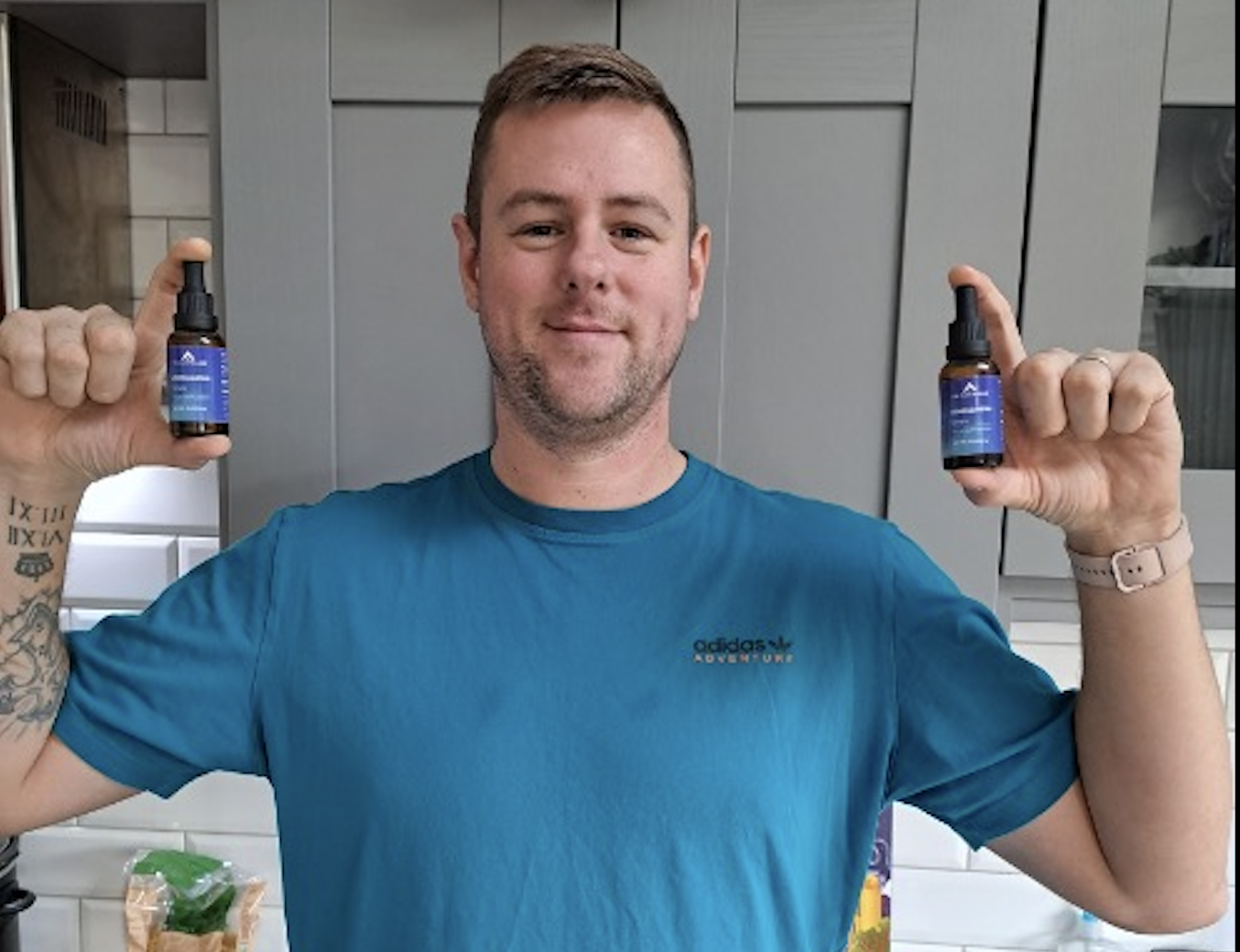
Listen to Stephen's Personal Experience with Our Ashwagandha Drops.

The Science Behind Ashwagandha: What the Research Says About Stress, Energy and Sleep

Last updated: October 2026. Ashwagandha (Withania somnifera) has gone from a little-known herb in Ayurvedic tradition to one of the most searched supplements in Ireland. It turns up in drops, capsules, gummies and teas, and is often described as an “adaptogen”, a plant traditionally used to help the body cope with everyday stress. This guide looks at what ashwagandha actually is, what researchers have studied, what the limits of that research are, and the safety points every buyer should know. It is written to help you make an informed choice, not to sell you a miracle. The short answer What is ashwagandha? Ashwagandha is a small evergreen shrub native to India, the Middle East and parts of Africa. Its name comes from Sanskrit and loosely translates as “smell of the horse”, a reference both to the earthy smell of the root and to the traditional idea that it gives strength. In Ayurveda it has been used for well over two thousand years as a rasayana, a category of herbs taken to support general vitality. Modern supplements usually use a standardised extract of the root, sometimes the root and leaf together. The compounds researchers focus on most are called withanolides, a group of naturally occurring steroidal lactones. Different branded extracts are standardised to different withanolide levels, which is one reason studies are hard to compare directly. What does “adaptogen” mean? “Adaptogen” is a term coined in the mid-twentieth century to describe plants believed to help the body maintain balance when under physical or mental stress. It is a useful shorthand for a traditional category, but it is not a recognised scientific or regulatory term in the EU. When you see it on labels, read it as a description of tradition rather than a proven effect. What have human studies looked at? Most published ashwagandha research involves healthy adults or adults reporting high stress, and compares an extract against a placebo for a few weeks. Here is an honest summary of the main areas. Stress and cortisol Several randomised controlled trials have measured perceived stress using questionnaires, and some have measured cortisol, the hormone your body releases in response to stress. A number of these trials reported lower stress scores in the ashwagandha groups than in the placebo groups over 8 weeks. Systematic reviews have described the findings as encouraging but have also pointed out small sample sizes, short durations and the fact that many trials were funded by extract manufacturers. Sleep Some trials have looked at sleep quality and time taken to fall asleep, again using questionnaires and sometimes sleep trackers. A 2021 meta-analysis pooled several of these and reported a small overall improvement in sleep measures compared with placebo, with larger effects in people who already had poor sleep. The authors called for larger, longer, independent studies. Energy, exercise and focus A smaller group of studies has looked at strength training, endurance and attention tasks. Results are mixed and the trials are mostly very small, so it is too early to draw conclusions. Area studied Typical study length State of the evidence Perceived stress 6 to 12 weeks Promising but small trials, often industry funded Sleep quality 6 to 12 weeks Small improvements in pooled data; more research needed Exercise performance 8 weeks Very small trials, mixed results Long-term use Rarely studied Little data beyond 3 months Why the evidence is not settled It is easy to read a headline about a positive trial and assume the question is answered. A few things make ashwagandha research hard to interpret: None of this means ashwagandha does nothing. It means the honest position is “interesting, under-researched, not proven”. Food supplements sold in Ireland cannot claim to treat, prevent or cure any condition, and we do not make such claims. Safety: who should avoid ashwagandha? Ashwagandha is widely used and generally reported as well tolerated in short-term studies, but it is not risk-free. Food safety authorities in several European countries have reviewed it in recent years, and Denmark has restricted its sale. Rare cases of liver injury have been reported in the medical literature. Do not take ashwagandha, or speak to your GP or pharmacist first, if any of the following apply: Common mild side effects reported in trials include stomach upset, loose stools and drowsiness. If you notice anything unusual, stop taking it. How is ashwagandha usually taken? Ashwagandha comes in capsules, powders, gummies and liquid drops. Drops are popular because they are easy to add to water or take under the tongue, and the serving is simple to adjust. Many people take it in the evening with food, but the right timing depends on the product, so always follow the label and never exceed the recommended serving. Our Ashwagandha Drops 1500mg (€39.95) are made for exactly this kind of simple daily routine. If you are curious about combining it with CBD, read can you take CBD and ashwagandha together first, and see what Irish customers say in our ashwagandha reviews round-up. How to choose a quality ashwagandha product Ashwagandha alongside healthy habits No supplement replaces the basics. Regular sleep and wake times, daylight in the morning, movement you enjoy, time with people you like and limiting alcohol all have far stronger evidence for supporting how you feel day to day. If stress is affecting your sleep, work or relationships, talk to your GP; there is effective support available. Our article on CBD and everyday stress and our breathing techniques guide cover practical steps you can start today. Frequently asked questions Is ashwagandha legal in Ireland? Yes, ashwagandha root is sold as a food supplement in Ireland. Some European countries have restricted it, so it is worth keeping an eye on regulatory updates. How long does ashwagandha take to work? Most studies ran for 6 to 12 weeks, so effects, where reported, were measured over weeks rather than days. Results vary from person to person. Can I take ashwagandha every day? Many people do, but there is little research on use

Read More »

Lion’s Mane and the Brain: What the Science Actually Shows

Last updated: October 2026. Lion’s mane is the shaggy, white mushroom that has become a favourite in coffee shops, supplement aisles and productivity podcasts. It is often described as “brain food”, and many people in Ireland now add lion’s mane drops to their morning coffee. So what does the science actually show? This guide explains the compounds researchers are interested in, what laboratory and human studies have found, why the evidence is still early, and how to choose and use a quality product. The short answer What is lion’s mane? Lion’s mane grows on hardwood trees, particularly beech and oak, in Europe, Asia and North America. Instead of a cap and gills, it forms a cascade of long, soft spines, which gives it its name. It is also known as bearded tooth mushroom, and in Japan as yamabushitake. It has a mild, seafood-like flavour, and is sometimes cooked as a vegetarian alternative to crab or scallops. Lion’s mane is rare in the wild in these islands and is legally protected in Britain, so never pick it if you find it. The lion’s mane in supplements and shops is grown commercially. The compounds researchers study Compound Where found Research interest Hericenones Mainly in the fruiting body Laboratory studies on nerve growth factor production Erinacines Mainly in the mycelium Laboratory and animal studies on nerve cells Beta-glucans Throughout the mushroom Fibre studied for immune and gut effects Nerve growth factor (NGF) is a protein involved in the growth, maintenance and survival of certain nerve cells. Some laboratory studies have found that lion’s mane compounds can stimulate NGF production in cells, and animal studies have explored effects on memory and nerve repair. These findings are the main reason lion’s mane is linked with brain health. But results in cells and mice often do not translate to people, so human trials are what really matter. What have human studies found? Human research on lion’s mane is limited to a small number of trials, most with fewer than 100 participants: These results are encouraging enough to justify more research, but they are not proof. The trials are small, short and used different products and amounts. For a deeper look, see our complete study breakdown. Food supplements in the EU cannot claim to improve memory or brain function, and we make no such claims. Fruiting body or mycelium? Because hericenones are found mainly in the fruiting body and erinacines mainly in the mycelium, both are of interest. The bigger issue is quality: mycelium products grown on grain can contain a large proportion of the grain itself. Look for products that clearly state what part of the mushroom is used, how it was extracted and how much extract is in each serving. How to take lion’s mane Most people take lion’s mane in the morning, often with breakfast or coffee. As with any supplement, follow the label, take it consistently for several weeks, and keep a short note of how you feel. A simple lion’s mane coffee One of the easiest ways to make lion’s mane part of your day is to add it to a drink you already have every morning: If you prefer cacao, our Ceremonial Grade Cacao makes a rich, caffeine-light alternative to coffee that pairs well with mushroom drops. How to tell if it suits you Because effects, if any, are likely to be subtle, it is easy to fool yourself either way. A simple tracking approach helps: Week What to do Week 0 Rate your focus, energy, mood and sleep each day from 1 to 10 without lion’s mane Weeks 1 to 4 Take lion’s mane at the same time every day and keep rating Week 5 Compare your averages and decide whether to continue Keep other things as steady as you can during the trial, such as caffeine, sleep times and exercise. If you notice no difference after a month, it may not be worth the money for you, and that is a perfectly good outcome. Why the hype outpaces the science Lion’s mane is popular on social media, where it is sometimes described as “nature’s nootropic” or claimed to regrow brain cells. Those claims go far beyond what the evidence shows. Lab findings on nerve growth factor are genuinely interesting, but they come from cells and animals. Until larger, longer, independent human trials are done, the honest position is that lion’s mane is a promising food with interesting research behind it, not a proven brain booster. Safety notes Lion’s mane alongside healthy habits If your goal is a sharper, clearer mind, the habits with the strongest evidence are consistent sleep, regular exercise, a varied diet, social connection and continually learning new things. Lion’s mane may be an interesting addition, but it works best, if at all, alongside those basics. Our guide to brain fog has practical steps you can start today, and our functional mushroom guide compares lion’s mane with reishi, cordyceps and chaga. Frequently asked questions What does lion’s mane do? Researchers have studied lion’s mane for its effects on nerve growth factor, memory and mood, mostly in laboratory and small human studies. No health claims can be made. How long does lion’s mane take to work? Human trials ran from four to sixteen weeks. If you try it, give it several weeks of consistent use. Is lion’s mane safe? It is an edible mushroom and generally well tolerated, but avoid it if you have a mushroom allergy, and speak to your GP if you take medication or are pregnant. Can I take lion’s mane with coffee? Yes, many people add lion’s mane drops to their morning coffee. Can I take lion’s mane and CBD together? Many people do. Introduce one at a time and check with your GP or pharmacist if you take medication. Is lion’s mane psychedelic? No. Lion’s mane is a non-psychoactive culinary mushroom. Should I choose fruiting body or mycelium? Both contain compounds of interest. Choose a product that clearly states which part is

Read More »

The Link Between CBG and Cognitive Support—What You Need to Know

Have you ever wished for a natural way to boost your mental clarity, reduce fatigue, and stay focused throughout your busy day? If so, you’re not alone. In our fast-paced world, many of us are searching for a gentle, sustainable solution to help keep our minds sharp. Enter cannabigerol, or CBG—a naturally occurring cannabinoid that is rapidly gaining attention for its potential to support cognitive health. In this article, we’re going to take an in-depth look at how CBG works with your body’s endocannabinoid system, why full-spectrum extracts are so powerful, and how incorporating a high-quality CBG oil into your daily routine can transform your mental performance. What Is CBG? Cannabigerol (CBG) is one of over 100 naturally occurring cannabinoids found in the hemp plant. Often referred to as the “mother cannabinoid,” CBG is actually the precursor to other popular cannabinoids such as CBD (cannabidiol) and THC (tetrahydrocannabinol). During the plant’s growth cycle, enzymes break down CBG into these other compounds. Despite its role as a building block, CBG itself has a range of potential benefits, particularly when it comes to brain health and cognitive function. Unlike THC, CBG is non-psychoactive, which means it doesn’t produce a “high.” Instead, it works in a subtle, natural way to help regulate various bodily functions. For many, this makes it an appealing option for those seeking mental clarity and sustained focus without the unwanted side effects associated with other stimulants. Understanding the Endocannabinoid System and Brain Health To truly appreciate how CBG supports cognitive function, it’s important to understand the endocannabinoid system (ECS). The ECS is a complex cell-signaling system that plays a crucial role in maintaining homeostasis—or balance—within our bodies. It is involved in regulating a host of functions, including mood, sleep, appetite, and even memory. The ECS consists of endocannabinoids (molecules our body naturally produces), receptors (CB1 and CB2, found throughout the brain and body), and enzymes that break down these endocannabinoids. When you introduce cannabinoids like CBG into the system, they interact with these receptors, helping to fine-tune the system’s responses. For cognitive support, this interaction can result in enhanced mental clarity, a reduction in mental fatigue, and overall improved focus. The Science Behind CBG’s Cognitive Benefits The cognitive benefits of CBG are not just anecdotal; emerging research is beginning to shed light on how this cannabinoid can positively affect brain function. Here are some key points from the science: Neuroprotective Properties: Studies suggest that CBG has neuroprotective effects, meaning it may help protect brain cells from damage. This is particularly important in combating age-related cognitive decline and conditions where oxidative stress is a factor. Anti-Inflammatory Effects: Inflammation in the brain can impair cognitive function. CBG’s natural anti-inflammatory properties help reduce this inflammation, potentially leading to improved brain function and clarity. Regulation of Neurotransmitters: CBG interacts with receptors that influence the release of various neurotransmitters—chemical messengers that facilitate communication between brain cells. By modulating these signals, CBG may help balance mood and enhance concentration. Supporting Energy Levels: Unlike caffeine, which can create a quick burst of energy followed by a crash, CBG offers a more balanced approach. It works subtly to maintain steady energy levels throughout the day without the jitters. These scientific insights are crucial in understanding why so many people are turning to CBG as a natural cognitive aid. It’s not just about getting through the day—it’s about optimizing your brain’s performance in a way that feels natural and sustainable. The Full-Spectrum Advantage When it comes to harnessing the benefits of CBG, not all products are created equal. A full-spectrum extract means that the oil contains not just CBG, but also a wide range of other cannabinoids, terpenes, and beneficial compounds naturally found in hemp. This combination creates what is often referred to as the “entourage effect,” where the various components work synergistically to enhance each other’s benefits. For cognitive support, this full-spectrum approach is especially important. While isolated CBG might provide some benefits, the presence of additional cannabinoids and terpenes can boost its efficacy, leading to more pronounced improvements in mental clarity and focus. At Dr. Hemp Me, our 20% Full Spectrum CBG Oil is meticulously formulated to ensure you get the complete spectrum of benefits with every drop. How CBG Can Transform Your Day Imagine starting your morning with a clear mind, ready to tackle challenges with calm confidence. With a daily dose of our CBG Oil, you can experience: Enhanced Focus: A consistent routine of CBG use helps clear the mental fog, making it easier to concentrate on tasks. Reduced Mental Fatigue: By supporting balanced neurotransmitter function, CBG can help prevent that midday slump that leaves you feeling drained. Sustained Energy: Unlike caffeine, which often leads to a quick burst followed by a crash, CBG provides a gentle, sustained boost without overstimulation. Overall Cognitive Clarity: Whether you’re an entrepreneur juggling multiple projects or someone who simply wants to enjoy more mental clarity, CBG can be a valuable addition to your daily wellness routine. Many of our customers have reported noticeable improvements in their focus and mental clarity just days after incorporating our CBG Oil into their routine. One user shared, “After trying the CBG Oil for just a few days, I felt more alert and ready to face my hectic schedule without the usual mental fog.” Stories like these underscore the transformative potential of CBG when used consistently. CBG vs. Traditional Cognitive Aids You might be wondering how CBG compares to more conventional methods of boosting mental clarity—like caffeine. While caffeine is effective at providing a quick burst of energy, it often comes with side effects such as jitters, increased heart rate, and the inevitable crash that follows. CBG, on the other hand, offers a more natural, balanced approach. Here’s how they compare: Gentle and Sustained: CBG works subtly to support your cognitive functions throughout the day, avoiding the peaks and valleys associated with caffeine. No Jitters or Crashes: With CBG, you’re less likely to experience the anxiety or sudden drop in energy that

Read More »

CBD vs Sleep Medications: An Honest Comparison (2026)

Last updated: October 2026. If you are struggling with sleep, you may be weighing up whether to ask your GP about sleep medication or try a supplement such as CBD. They are very different things, with different evidence, rules and risks. This guide compares them honestly, so you can have a better-informed conversation with your GP. Important: this is general information, not medical advice. Never stop, start or change a prescribed medicine without speaking to your doctor. The short answer Why sleep problems happen Before comparing options, it helps to know what is behind poor sleep, because the right approach depends on the cause. Common contributors include: A short spell of poor sleep during a stressful time is common and usually settles. When it lasts for months, it is worth looking at the causes with your GP rather than reaching straight for a product. How sleep medications work Several types of medicine are used for sleep problems in Ireland, all on prescription: Type Examples Notes “Z-drugs” Zopiclone, zolpidem Usually short courses; can cause next-day drowsiness Benzodiazepines Various Short-term use only because of dependence risk Melatonin Prolonged-release melatonin Prescription-only in Ireland; mainly for older adults or specific cases Sedating antidepressants and others Various, at low doses Used in particular circumstances by your doctor Most of these work by increasing activity in the brain systems that promote sleepiness. They can help people get through a difficult period, but they do not fix the underlying causes of insomnia, and some become less effective with regular use. Stopping some of them suddenly can cause rebound insomnia, which is why doctors usually reduce them gradually. What CBD is, and is not CBD (cannabidiol) is a non-intoxicating compound from hemp, sold in Ireland as a food supplement. It does not cause a high, and the World Health Organization’s 2018 review found no evidence of abuse or dependence potential in humans. Research on CBD and sleep is still at an early stage, with mixed results from small studies. Food supplements cannot claim to treat insomnia or any other condition. So CBD is not an alternative to medical treatment for a sleep disorder. Some people simply like to include it in a regular evening routine. CBD vs sleep medications at a glance Sleep medications CBD Category Prescription medicine Food supplement Evidence for sleep Proven short-term effects Limited, early research Who decides Your GP or consultant You, ideally after checking with your GP or pharmacist Common side effects Next-day drowsiness, dizziness, dependence risk with some Tiredness, dry mouth, stomach upset in some people Interactions Many Can interact with some medicines, including sedatives Typical use Short courses Daily routine The option with the best evidence: CBT-I For long-term (chronic) insomnia, clinical guidelines recommend cognitive behavioural therapy for insomnia, CBT-I, as the first treatment, ahead of medication. It is a structured programme, usually over several weeks, that addresses the habits and thoughts that keep insomnia going: irregular sleep times, spending too long in bed awake, and worrying about sleep. It is available through some GPs and psychologists, and as structured online programmes. Ask your GP what is available near you. Can you take CBD with sleep medication? Check with your GP or pharmacist first. CBD is broken down by the same liver enzymes as many medicines, and it may increase drowsiness when combined with sedating medicines such as sleeping tablets, some antidepressants and some painkillers. Your pharmacist can check your specific medicines quickly. Over-the-counter options in Ireland Pharmacies in Ireland sell some sleep products without a prescription, such as sedating antihistamines. These can cause next-day drowsiness and are generally meant for occasional, short-term use; they are not suitable for everyone, including older adults and people with certain conditions. Always ask the pharmacist, and tell them about any other medicines or supplements you take, including CBD. Habits that help whatever you choose Read more in why sleep aids often disappoint. If you decide to try CBD Sleep in older adults Sleep naturally becomes lighter with age, with more night-time waking. Older adults are also more likely to take several medicines, and sedating medicines raise the risk of falls, confusion and next-day drowsiness. That makes it especially important for older people to check with a GP or pharmacist before trying any sleep aid, including supplements such as CBD, and to review existing medicines regularly. Questions to ask your GP When to see your GP See your GP if poor sleep has lasted more than a few weeks, is affecting your daytime life, or comes with loud snoring, pauses in breathing, restless legs, or low mood. These can point to conditions that need specific treatment. Frequently asked questions Is CBD a replacement for sleeping tablets? No. CBD is a food supplement, not a medicine, and it cannot claim to treat insomnia. Never stop or change a prescribed medicine without speaking to your doctor. Can I take CBD with sleeping tablets? Speak to your GP or pharmacist first. CBD can interact with some medicines, including sedatives, and together they may make you drowsier than expected. What sleep medications are used in Ireland? Commonly prescribed options include short courses of “Z-drugs” such as zopiclone, some benzodiazepines, certain antidepressants used at low doses, and melatonin, which is prescription-only in Ireland. Your GP will decide what, if anything, is appropriate. Why do doctors only prescribe sleeping tablets for short periods? Some can become less effective over time, cause next-day drowsiness, and lead to dependence, so guidelines recommend short courses and non-drug approaches first. What is CBT-I? Cognitive behavioural therapy for insomnia is a structured programme that changes the habits and thoughts that keep insomnia going. It is the first-line treatment recommended for chronic insomnia. Is melatonin available without a prescription in Ireland? No. Melatonin is a prescription-only medicine in Ireland. Does CBD cause dependence? The World Health Organization’s 2018 review found no evidence of abuse or dependence potential with CBD in humans. How do I come off sleeping tablets? Only with your doctor’s guidance. Stopping some sleeping

Read More »

The Missing Link: How Gut Health and Sleep Affect Each Other

Last updated: October 2026. We often think of sleep as something that happens in the brain and digestion as something that happens in the stomach. In reality, the two are closely connected. What and when you eat can affect how well you sleep, and how well you sleep can affect your digestion, appetite and even the bacteria living in your gut. This guide explains what researchers have learned about the gut and sleep connection, and the practical habits that help both. The short answer What is the gut-brain axis? The gut-brain axis is the two-way communication network between your digestive system and your brain. It includes the vagus nerve, a long nerve running from the brain stem to the abdomen; hormones released by the gut; the immune system; and chemical messengers produced by gut bacteria. About 90% of the body’s serotonin is made in the gut, although gut serotonin mainly acts locally on digestion rather than directly on mood. Because of this constant traffic, stress can upset your stomach, and digestive discomfort can make it harder to relax. Many people notice their digestion is worse during stressful weeks, and that poor sleep follows soon after. The microbiome and its daily rhythm Your gut is home to trillions of bacteria and other microbes, collectively called the microbiome. Research has found that these microbes have their own daily rhythms: the types and activity of bacteria shift over the course of the day, partly in response to when you eat. In animal studies, disrupting sleep or eating at irregular times altered these rhythms. Human research is still developing, but it suggests that regular meal timing supports a more stable gut environment. How poor sleep affects your gut How your gut affects your sleep Foods and habits that support gut and sleep Habit Why it may help Plenty of fibre (vegetables, fruit, oats, beans, lentils, whole grains) Feeds beneficial gut bacteria and supports regular digestion Fermented foods (natural yoghurt, kefir, sauerkraut, kimchi) Add live microbes; many people tolerate small amounts well Regular meal times Helps keep gut and body clocks in step Evening meal 2 to 3 hours before bed Gives digestion time before lying down Lighter evening meals Less likely to cause discomfort or reflux Water through the day, less in the last hour Keeps you hydrated without night-time bathroom trips Foods associated with sleep You will see lists online of “sleep foods” such as kiwi fruit, tart cherries, oily fish, milk, nuts and oats. Some have been studied in small trials, and many are part of a healthy balanced diet anyway. There is no single food that will fix poor sleep, but a varied diet with plenty of plants, fibre and protein spread across the day supports both gut health and steady energy. Stress, the gut and the evening Because stress affects both digestion and sleep, evening stress reduction helps on two fronts. Try eating your evening meal at the table without screens, taking a short walk after dinner, which many people find aids digestion, and building a wind-down routine for the last hour of the day. Our guides to sleep and anxiety and your circadian rhythm have more ideas. A gut-friendly day for better sleep Putting it all together, a day that supports both digestion and sleep might look like this: Building fibre gradually Most adults in Ireland eat less fibre than recommended. Increasing it is one of the most useful changes for gut health, but doing it too fast can cause wind and bloating, which is not what you want at bedtime. Add one higher-fibre food every few days, for example swapping white bread for wholegrain, adding a tin of beans or lentils to a stew, or having an extra portion of vegetables at dinner. Drink plenty of water as you increase fibre. Reflux and sleep position If reflux disturbs your sleep, a few simple changes help many people. Raise the head of the bed by a few centimetres using blocks under the legs rather than extra pillows, which can bend the stomach. Sleeping on your left side is linked with less night-time reflux in some studies. Avoid tight waistbands in the evening, and cut back on trigger foods such as spicy dishes, fatty meals, chocolate, mint, citrus, coffee and alcohol in the evening. If reflux happens more than a couple of times a week, see your GP. Where does CBD fit? Researchers are interested in the endocannabinoid system partly because it is active in the gut as well as the brain. However, research into CBD and digestion or sleep in humans is at an early stage, and CBD is not a treatment for any digestive condition or for insomnia. Some people choose to include CBD, such as our CBD Oil 10% or CBD Capsules, as part of an evening routine. Start low, follow the label, and speak to your GP or pharmacist first if you take any medication. When to see your GP Talk to your GP if you have ongoing digestive symptoms such as persistent bloating, pain, reflux, diarrhoea or constipation, or if poor sleep lasts more than a few weeks. See a doctor promptly if you notice blood in your stool, unexplained weight loss, difficulty swallowing, persistent vomiting, or a change in bowel habits lasting more than a few weeks, especially if you are over 50. Frequently asked questions Can gut health affect sleep? Yes. The gut and brain communicate constantly, and digestive discomfort, reflux and meal timing can all affect how well you sleep. Does poor sleep cause cravings? Short sleep is linked to changes in appetite hormones that increase hunger and cravings, especially for sugary and high-fat foods. How long before bed should I eat? Most people find it helpful to finish their evening meal two to three hours before bed. Are probiotics good for sleep? Research on probiotics and sleep is early and mixed. A varied, fibre-rich diet is a reliable starting point. Is it bad to eat late at night? Large or

Read More »

The Link Between Sleep and Anxiety, and Where CBD Fits

Last updated: October 2026. If you have ever lain awake at 3am with your mind running through tomorrow’s problems, you already know that worry and sleep are closely linked. Anxiety makes it harder to fall asleep and stay asleep, and a bad night makes the next day’s worries feel bigger. This guide explains why the two are connected, what you can do tonight to break the cycle, where CBD does and does not fit, and when to seek extra support. It is general information, not medical advice. The short answer Why anxiety and sleep are connected Anxiety is the body’s alarm system. When you feel threatened, your brain triggers a stress response: heart rate rises, muscles tense, and stress hormones such as adrenaline and cortisol increase. That response is useful when you need to act quickly, but it is the opposite of the calm, safe state the body needs to fall asleep. Sleep then affects anxiety in return. Research using brain imaging has found that after a short night, the brain’s emotional centre, the amygdala, tends to react more strongly to negative images, while the areas that help regulate emotion are less active. In plain English, tiredness turns up the volume on worry. We explain more about the brain side of this in the science of anxiety. The anxiety and sleep cycle Many people find the second layer, worry about sleep itself, becomes the main problem over time. The good news is that this cycle can be interrupted at several points. What you can do tonight Before bed In bed During the day Night-time anxiety in different situations Anxiety at night does not look the same for everyone. Recognising your pattern helps you choose what to try first. Life events that disrupt sleep Exams, a new baby, a job change, money worries, a bereavement or a relationship ending can all disrupt sleep for a while. Short-term poor sleep in these situations is a normal human response, and it usually settles as life does. Be kind to yourself, keep the basics in place as best you can, and lean on the people around you. If the disruption continues long after things have settled, that is the time to look for extra support. Supporting someone else If a partner, friend or family member is struggling with anxiety and sleep, simple things help: listening without trying to fix everything, encouraging them to see their GP, and helping keep evenings calm. Avoid pushing alcohol or sleeping tablets that are not prescribed for them. If you are worried about their safety, encourage them to contact Samaritans or their GP, and call 112 or 999 in an emergency. Where does CBD fit? Many people tell us they include CBD in their evening routine because they find it a calming part of winding down. Research on CBD, anxiety and sleep is still early. Some small studies have explored CBD in anxiety-provoking situations such as public speaking, and some have included sleep measures, with mixed findings. Studies are small and short, and CBD is not an approved treatment for anxiety or insomnia. CBD is sold in Ireland as a food supplement and we make no claims that it treats, cures or prevents any condition. If you choose to try it, start with a low serving, take it at the same time each evening, and stay within the label’s guidance. Our dosing guide explains how. Customers often choose our CBD Oil 10% (1000mg) or CBD Oil for Sleep with free reishi for evening use. You can try a 2ml sample for €2 before committing to a full bottle. CBD can interact with medication, including antidepressants, anti-anxiety medicines, sleeping tablets and epilepsy medication. Always check with your GP or pharmacist first if you take any medication, and do not stop prescribed medication without medical advice. Avoid CBD in pregnancy and breastfeeding. Treatments with the strongest evidence Approach What it involves CBT for insomnia (CBT-I) A structured programme over 4 to 8 sessions that changes sleep habits and thoughts about sleep. Recommended first-line treatment for long-term insomnia. CBT for anxiety Helps you notice and change anxious thought patterns and avoidance. Available through GPs, HSE services, psychologists and online. Regular exercise Consistently linked with better mood and sleep. Mindfulness-based approaches Courses and apps that teach attention and relaxation skills. When to get help See your GP if anxiety or poor sleep lasts more than a few weeks, affects your work, relationships or ability to cope, or if you are using alcohol or other substances to manage it. Panic attacks, constant worry, or feeling unable to switch off at all are all good reasons to talk to someone. If you are in crisis or thinking about harming yourself, please reach out now. In Ireland you can call Samaritans free on 116 123 at any time, text HELLO to 50808 for the free 24/7 text service, or call 112 or 999 in an emergency. You do not have to manage this on your own. Frequently asked questions Can anxiety cause insomnia? Yes, anxiety is one of the most common reasons people struggle to fall or stay asleep, because it keeps the body in an alert state. Can poor sleep make anxiety worse? Yes. Research suggests that sleep loss makes the brain react more strongly to stress and negative emotions. Does CBD help with anxiety? Research is at an early stage and CBD is not an approved treatment for anxiety. Some people include it in a calming routine. Talk to your GP about anxiety that affects your daily life. Is it safe to take CBD with antidepressants? Do not combine them without checking with your GP or pharmacist, as CBD can interact with some medications. What should I do if I wake at 3am worrying? Keep the lights low, try slow breathing, and if you are still awake after about 20 minutes, get up and do something calm until you feel sleepy. How long does CBT for insomnia take? Usually four to eight weekly

Read More »

Why Sleep Aids Often Disappoint, and the Habits That Matter More

Last updated: October 2026. Sleeping tablets, supplements, sprays, gummies, apps: there is no shortage of products promising better sleep. Yet many people try one after another and end up back where they started. This guide explains why sleep aids so often disappoint, what the evidence says actually helps, and where supplements, including CBD, sensibly fit in. Important: if you have had trouble sleeping for more than a few weeks, or your sleep is affecting your daily life, speak to your GP. The short answer Why sleep aids often disappoint They treat the symptom, not the cause Sleep problems usually have causes: stress, an irregular schedule, late caffeine, alcohol, screens, shift work, pain, a bedroom that is too warm or bright, or a medical condition such as sleep apnoea. A product that makes you drowsy does nothing about those causes, so when you stop taking it, the problem is still there. Tolerance and side effects Prescription sleeping tablets can be useful in the short term, but some become less effective with regular use, and they can cause next-day drowsiness. That is why doctors usually prescribe them for short periods only. Weak evidence for many supplements Many products marketed for sleep are backed by small, short studies, or by research on a different ingredient or dose from the one in the product. A confident label is not the same as good evidence. Expectations Sleep varies naturally from night to night. If you expect a product to give you perfect sleep every night, almost anything will feel like it has failed. Judging any change over two to four weeks, with a simple sleep diary, gives a fairer picture. What the evidence says works The approaches with the strongest evidence are not products at all: A simple evening routine Time before bed What to do 3 hours Finish your last large meal; keep alcohol light 90 minutes Dim the lights; finish work and difficult conversations 60 minutes Screens away; a warm shower or bath 45 minutes A caffeine-free drink; reading, stretching or music 30 minutes Into bed only when sleepy; keep the room cool and dark Keep the same wake-up time every morning, even after a poor night. It feels hard at first, but it is what resets your sleep drive. Common sleep myths Myth Fact “Everyone needs exactly eight hours.” Most adults need roughly 7 to 9 hours, and needs vary from person to person. “A nightcap helps you sleep.” Alcohol can help you nod off but disrupts sleep later in the night. “You can catch up at the weekend.” Long lie-ins shift your body clock and make Sunday night and Monday morning harder. “Lying in bed resting is as good as sleep.” Lying awake for long periods can teach your brain to link bed with being awake. If you cannot sleep, get up for a while. “If a sleep aid did not work in one night, it does not work.” Sleep varies night to night; judge any change over two to four weeks. Shift workers and new parents Some people cannot follow standard sleep advice, and that is fine. If you work shifts, keep your sleep times as consistent as your rota allows, use blackout blinds and an eye mask for daytime sleep, and avoid bright light on the way home after a night shift. If you have a new baby, sleep when you can, share night feeds where possible, and lower the bar for everything else for a while. In both cases, talk to your GP if exhaustion is affecting your safety, such as when driving. Where do supplements fit in? Supplements can be part of an evening routine, but they work best alongside the habits above, not instead of them. A few points to know: If you choose to include CBD, take it at the same time each evening, start low, such as 5 drops of a 10% oil, and keep everything else consistent so you can judge it fairly. Speak to your GP or pharmacist first if you take any medication, especially sleeping tablets or sedatives. Read more in CBD and dreams. Keep a two-week sleep diary Two weeks of notes usually reveals a pattern, and it is exactly what your GP will find useful if you need to see them. When to see a GP Some of these can be signs of conditions such as sleep apnoea or restless legs syndrome, which have specific treatments. Frequently asked questions Why do sleep aids stop working? Some sleeping medicines become less effective with regular use as the body adapts, and many supplements are only studied in small, short trials. Sleep aids also cannot fix the habits and routines that drive most sleep problems. What is the most effective treatment for long-term insomnia? For chronic insomnia, clinical guidelines recommend cognitive behavioural therapy for insomnia (CBT-I) as the first-line treatment. Ask your GP about it. Is melatonin available over the counter in Ireland? No. In Ireland, melatonin is a prescription-only medicine. Does CBD help you sleep? CBD is sold as a food supplement and cannot claim to treat sleep problems. Some people like to include it in their evening routine, but the research on CBD and sleep is still limited. How long should a wind-down routine be? About 30 to 60 minutes is enough for most people. Consistency matters more than length. Is it bad to use my phone in bed? Screens keep your mind active and can push back the time you feel sleepy. Try putting your phone away for the last 30 to 60 minutes before bed. Should I nap if I slept badly? A short nap of 20 minutes before mid-afternoon is fine for most people. Long or late naps can make the next night harder. When should I see a GP about sleep? If poor sleep lasts more than a few weeks, affects your daytime life, or you snore loudly, stop breathing at night or have restless legs, see your GP. Can alcohol help me sleep? Alcohol

Read More »